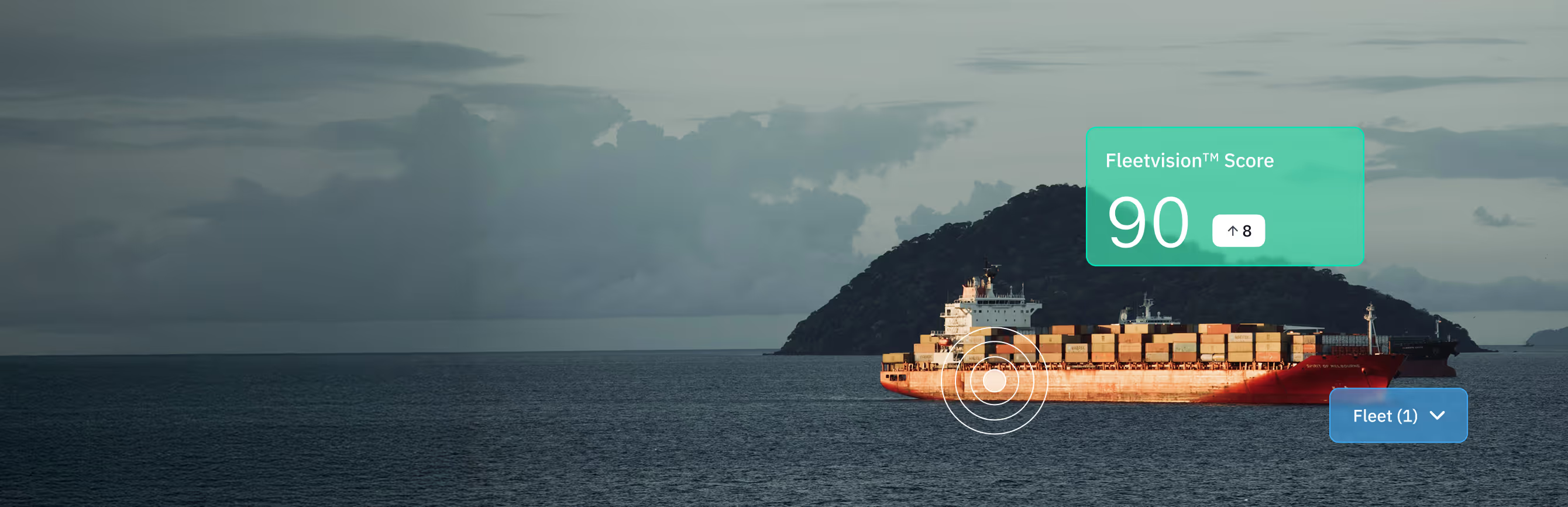
Ultranav Expands ShipIn FleetVision for AI-Enabled Safety and Risk Management
.webp)
Strengthening operational visibility across bridge, safety, and technical domains within its South American fleet operations.
Ultranav, which operates a global fleet of 420 vessels, is advancing the expansion of FleetVision across its fleet as part of a broader strategy to strengthen AI-enabled maritime safety, navigation risk management, and long-term operational resilience. Following a structured pilot in one business unit, Ultranav is now planning a gradual expansion of FleetVision across additional vessels and business units. For us at ShipIn Systems, this progression reflects a critical aspect of maritime digital transformation.
You can read the full announcement and executive commentary from pickups from Splash Tech and Riviera Maritime Media .
AI-Powered Operational Visibility in Maritime Safety
Maritime safety management has long relied on policies, audits, and post-incident investigations. These tools remain essential, but they do not always provide continuous insight into how risk develops during normal vessel operations. ShipIn FleetVision uses artificial intelligence and computer vision to analyze onboard video streams and convert routine activity into structured safety and technical insight. Across Ultranav’s deployment, this provided clear visibility into:
- Navigational practices and bridge resource management
- Deck operations and crew safety behaviors
- Technical conditions and emerging machinery risks
This structured visibility strengthened discussions between vessel crews and shore-based leadership. It enabled earlier identification of operational patterns, reinforced compliance with established procedures, and supported more consistent day-to-day decision-making within existing safety management systems.
Advancing Long-Term Risk Management Across Complex Fleets
Ultranav is now advancing expansion planning for FleetVision across its ocean-going fleet. As part of its broader safety culture initiatives and long-term risk management strategy, the platform’s gradual rollout is intended across the organization’s business units in a measured and responsible way.
For large maritime groups operating across regions and vessel types, strengthening safety culture requires more than policy compliance. It requires continuous visibility into operational execution. Digital maritime risk management, powered by AI-driven video analytics, enables leadership teams to move from reactive incident response to proactive risk awareness.
Ultranav’s approach demonstrates how fleet operators can integrate AI into existing vessel environments, validate its impact under real-world conditions, and expand deliberately as confidence grows.
Strengthening Ship-to-Shore Alignment Through AI
One of the most meaningful outcomes of FleetVision deployment is improved coordination between ship and shore. With shared visibility into navigation practices, onboard safety performance, and technical conditions, discussions around risk become more grounded and data-informed.
For HSQES leaders, technical directors, and insurance stakeholders, this structured insight supports clearer risk assessment and more consistent operational standards across the fleet. For vessel crews, it reinforces safe execution during routine operations without disrupting established workflows.
As maritime operators continue exploring AI-enabled vessel monitoring, navigation risk management, and digital safety solutions, Ultranav’s expansion reflects a practical model for responsible adoption at scale.
To learn more about how FleetVision supports maritime safety management and proactive risk reduction across large fleets, visit the FleetVision page on ShipIn.ai or request a demo to explore the platform in detail.