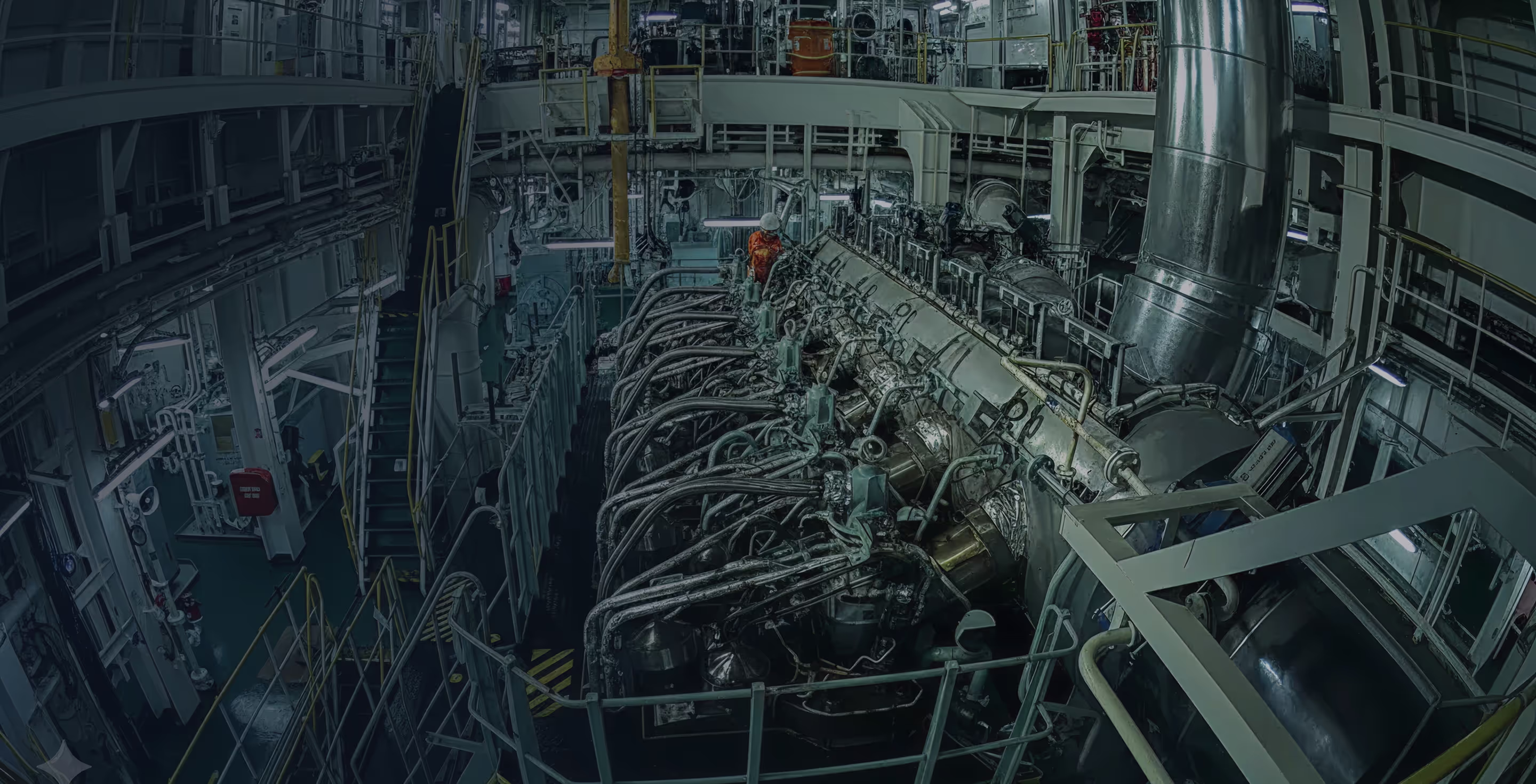
FleetVision™ Technical Module
Reducing Machinery? Failures and Fire Risk Through Earlier Operational Awareness
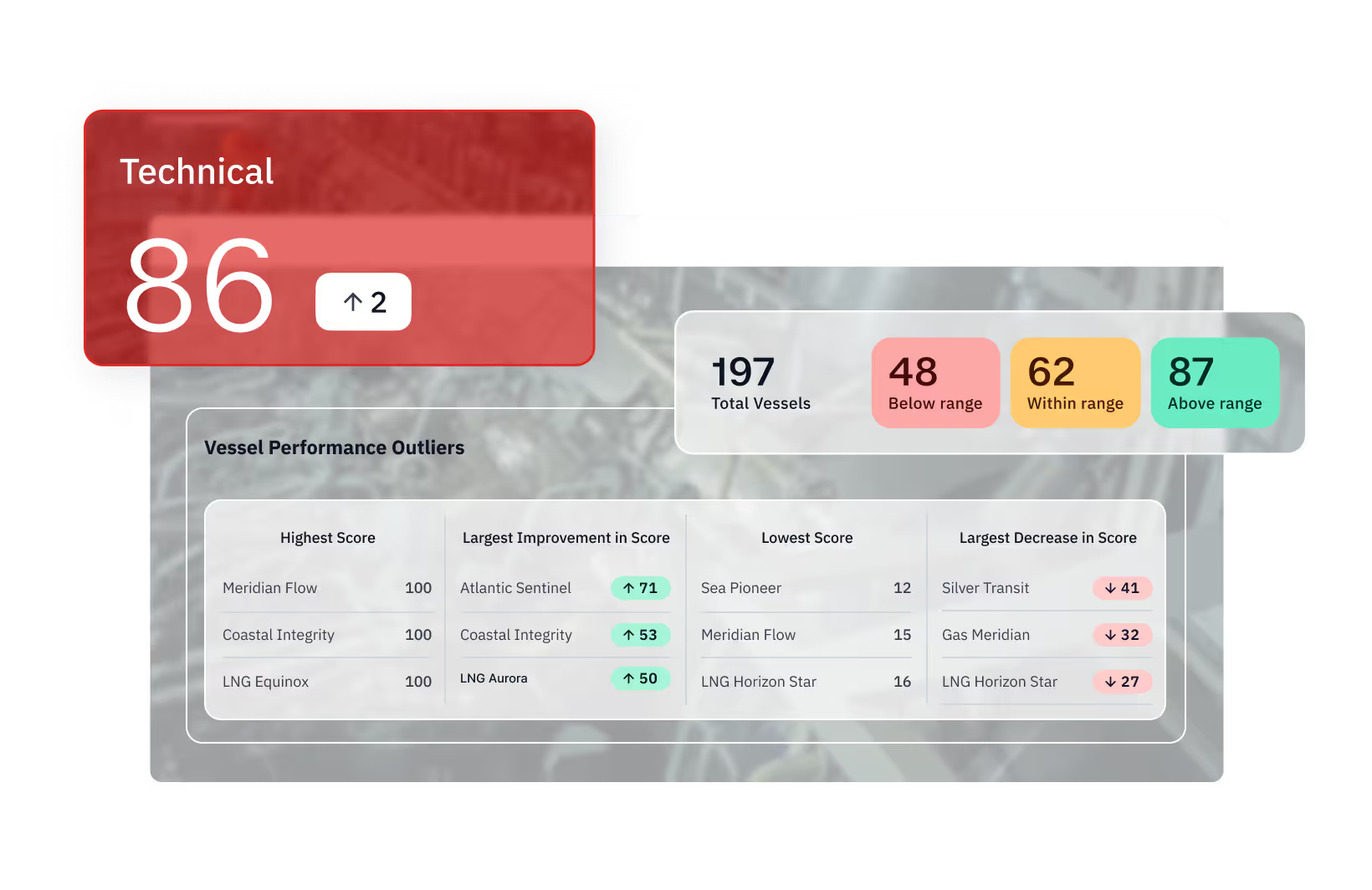
FleetVision™ Technical Module at a Glance
Equipment failures and fires rarely result from sudden breakdowns. They develop as small technical issues go unnoticed, conditions change, or maintenance execution drifts from standard practice. The FleetVision Technical Module makes day-to-day technical operations visible, helping crews and shore teams identify emerging risk earlier and intervene before failures, downtime, or incidents occur.
Detect Early Signs of Failure Before Impact Occurs
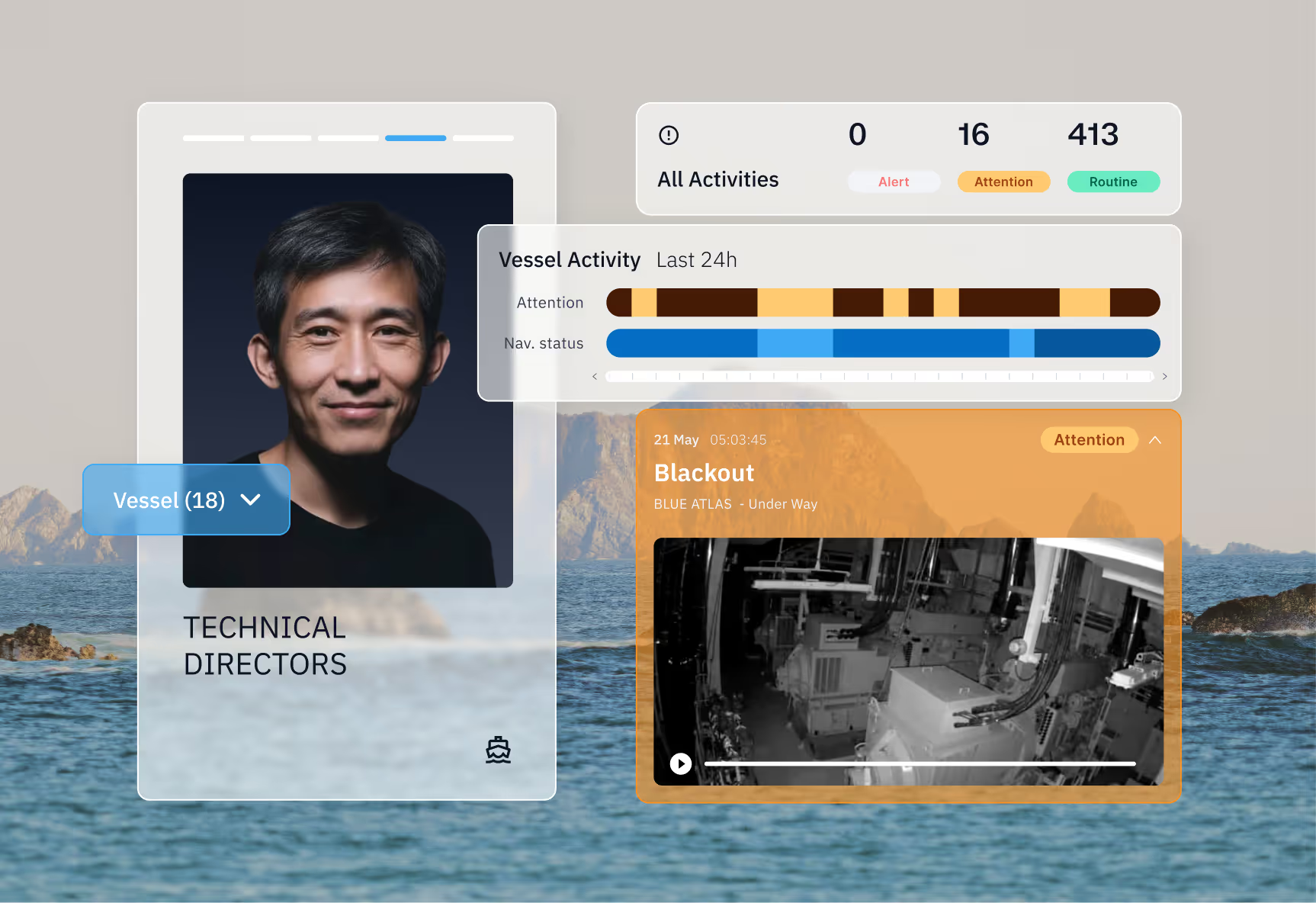
By observing technical operations as they happen, FleetVision helps surface signals that often precede fires, breakdowns, or unplanned stoppages.
How this supports action
- Highlights smoke, mist, or haze that may indicate early fire risk
- Flags sudden temperature spikes or gradual overheating trends
- Identifies blackouts or abnormal stoppages during operation
- Enables earlier investigation while issues are still manageable
Confidence During Technical Reviews and High-Risk Operations
The Technical Module provides operational context when reliability or safety is questioned.
Where this matters most
- Post-repair and post-overhaul verification
- Fire investigations and near-miss reviews
- Dry-dock preparation and follow-up
- Reviews following blackouts, stoppages, or abnormal behavior
Improve Reliability Through Consistent Execution Over Time
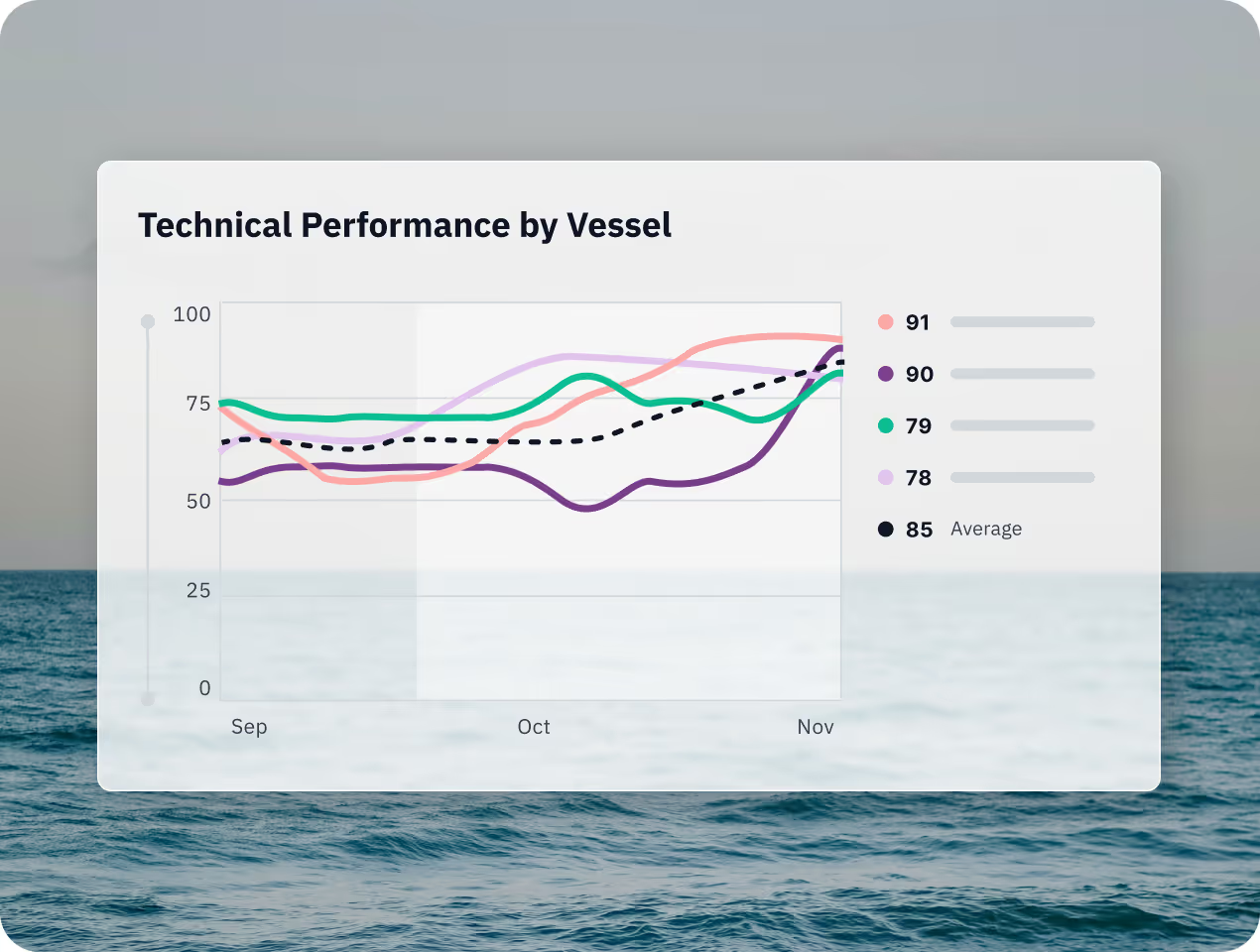
The Technical Module helps teams understand how consistently maintenance and operational practices are carried out across vessels and over time.
How this supports improvement
- Reveals recurring technical patterns at the vessel level
- Supports reinforcement of proper maintenance execution through visibility
- Enables comparison across vessels without losing operational context
- Strengthens reliability by addressing drift before failures occur
Understand How Technical Operations Are Executed in Practice
The Technical Module focuses on how machinery spaces and maintenance activities are actually managed during normal operations..
Operational focus
- Engine room activity during routine operation and maintenance
- Use of equipment during repairs, overhauls, and troubleshooting
- Conditions that may indicate developing fire or failure risk
- Variations in execution across vessels, crews, and operating states
Operational Context That Drives Action Across the Fleet
Insights from the Technical Module are combined with signals from across the fleet to provide a consistent view of how technical operations are executed. This shared context helps teams identify emerging issues, prioritize follow-up, and coordinate action from ship to shore.
Who This Is For

Move from reactive reporting to proactive safety.
Clear, early visibility into engine room conditions and maintenance execution, enabling faster diagnosis, safer operation, and intervention before technical issues escalate into failures or fires.
Operate the fleet with one clear, consistent view of risk.
Objective insight into how maintenance and repairs are carried out across vessels, supporting confident verification, better planning, and earlier identification of recurring technical risk.
Operate the fleet with one clear, consistent view of risk.
A fleet-level view of technical execution that helps surface emerging reliability issues, prioritize attention across vessels, and reduce unplanned downtime without relying on lagging reports.

FAQ
No. The Technical Module complements existing systems by adding visibility into how maintenance and technical work are actually executed during operations, rather than replacing logs or schedules.
No. The focus is on equipment condition and execution quality, not individual performance. Responsibility for technical decisions and actions remains with the Chief Engineer and onboard leadership.
FleetVision helps surface early indicators such as smoke, mist, heat anomalies, or abnormal stoppages, enabling investigation and intervention before conditions escalate into incidents.
Access is fully controlled by the operator and aligned with existing technical, operational, and governance roles. FleetVision does not change data ownership or authority.