
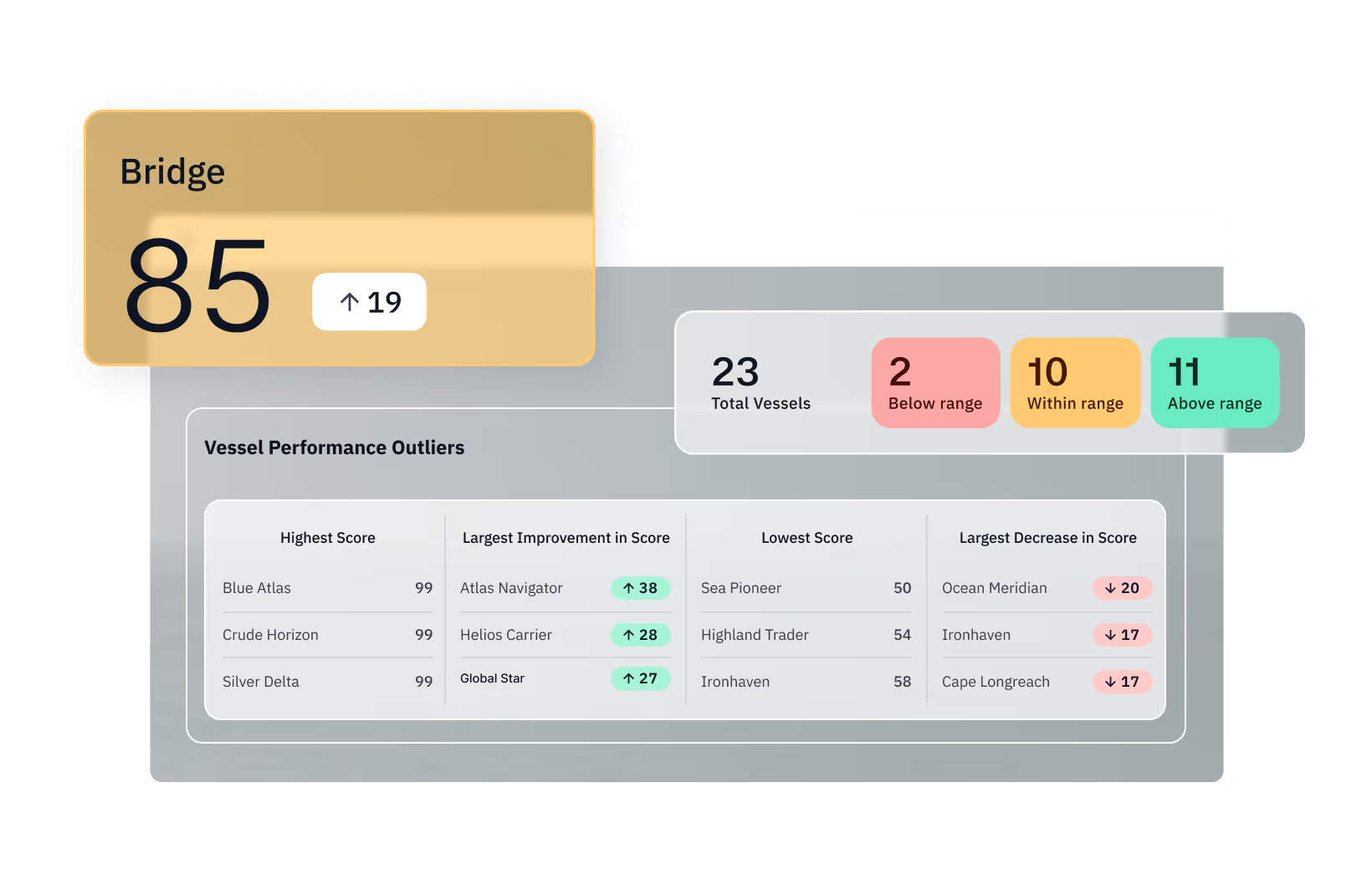
FleetVision™ Bridge Module at a Glance
Most navigational incidents develop during routine operations as watchkeeping standards drift and procedures slip. The FleetVision Bridge Module identifies these early signs during normal operations, enabling correction before near misses, groundings, or collisions occur.
See Navigational Risk as It Develops
The Bridge Module focuses on how navigation is actually carried out, revealing early signs of drift before they escalate into near misses or incidents.
What Teams Can Verify
- Bridge attendance and manning during routine navigation
- Watchkeeping behavior and adherence to procedures
- Use of navigation equipment during normal operations
- Patterns that commonly precede collisions and grounding
Correct Execution Before Incidents Occur
By making bridge execution visible, FleetVision enables earlier correction while there is still time to change outcomes.
What Teams Can Act On
- Unsafe or inconsistent watch practices as they emerge
- Gaps between procedure and execution
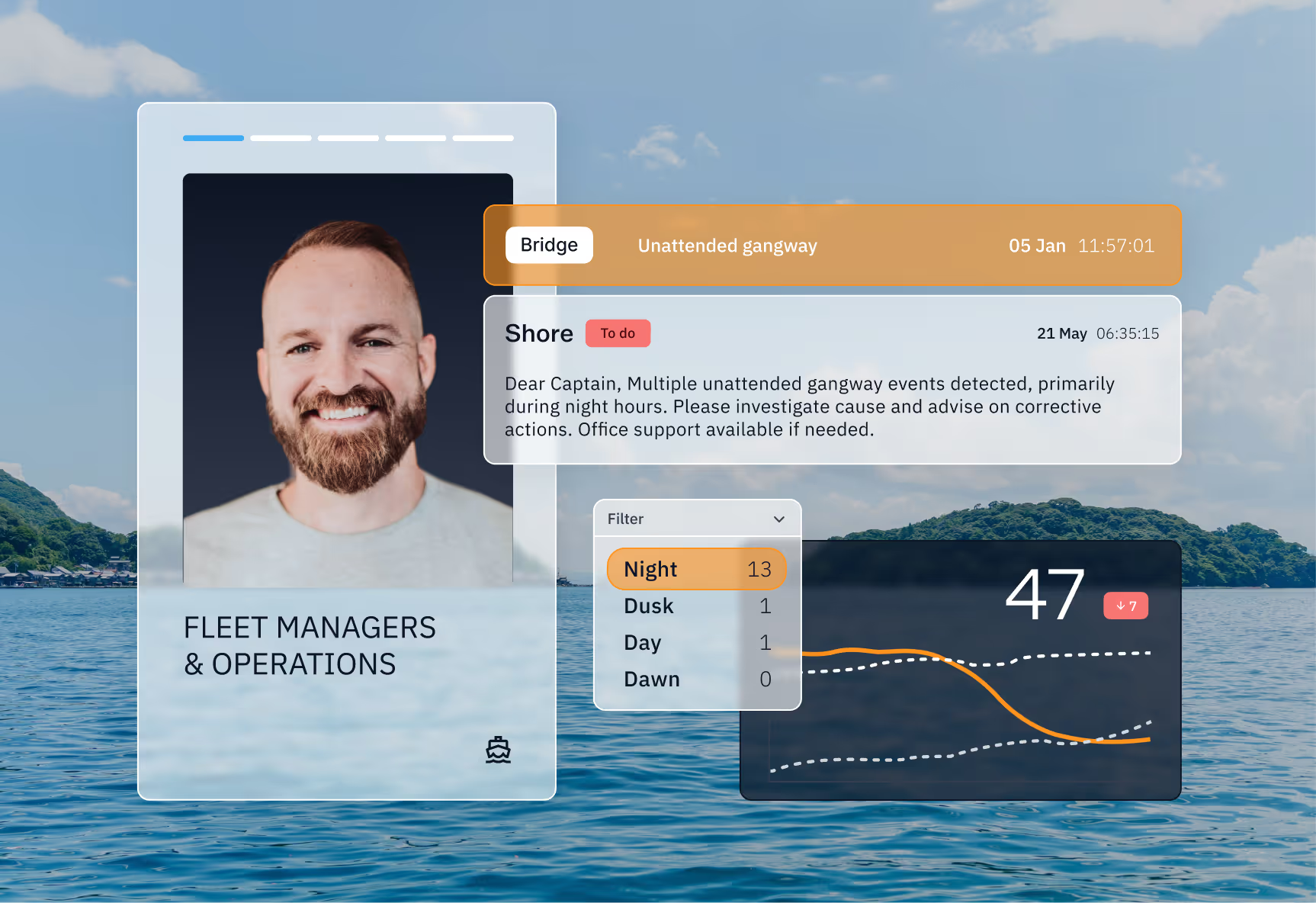
- Situations where immediate guidance or follow-up is needed
- Reinforcement of navigation standards during live operations
Improve Safety One Bridge at a Time
Insights are applied at the vessel level, strengthening execution on individual bridges rather than relying on fleet averages or lagging indicators.
What Teams Can Improve
- Specific bridges where execution is slipping
- Recurrent issues that need focused coaching
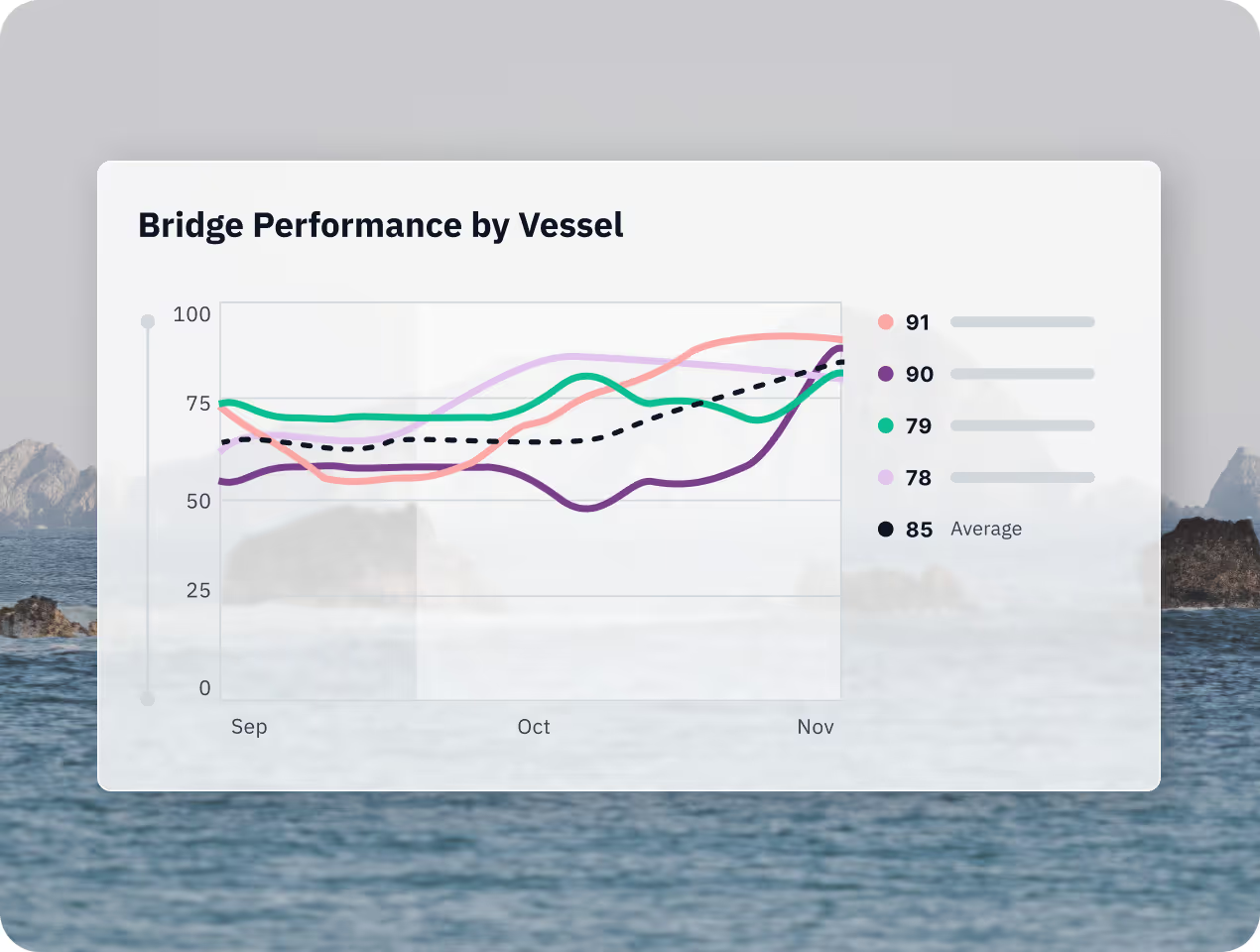
- Consistency of watchkeeping over time
- Measurable improvement in navigational discipline
Support Oversight During Higher-Risk Operations
The Bridge Module provides additional context during operations where navigational risk is elevated.
What Teams Can Review
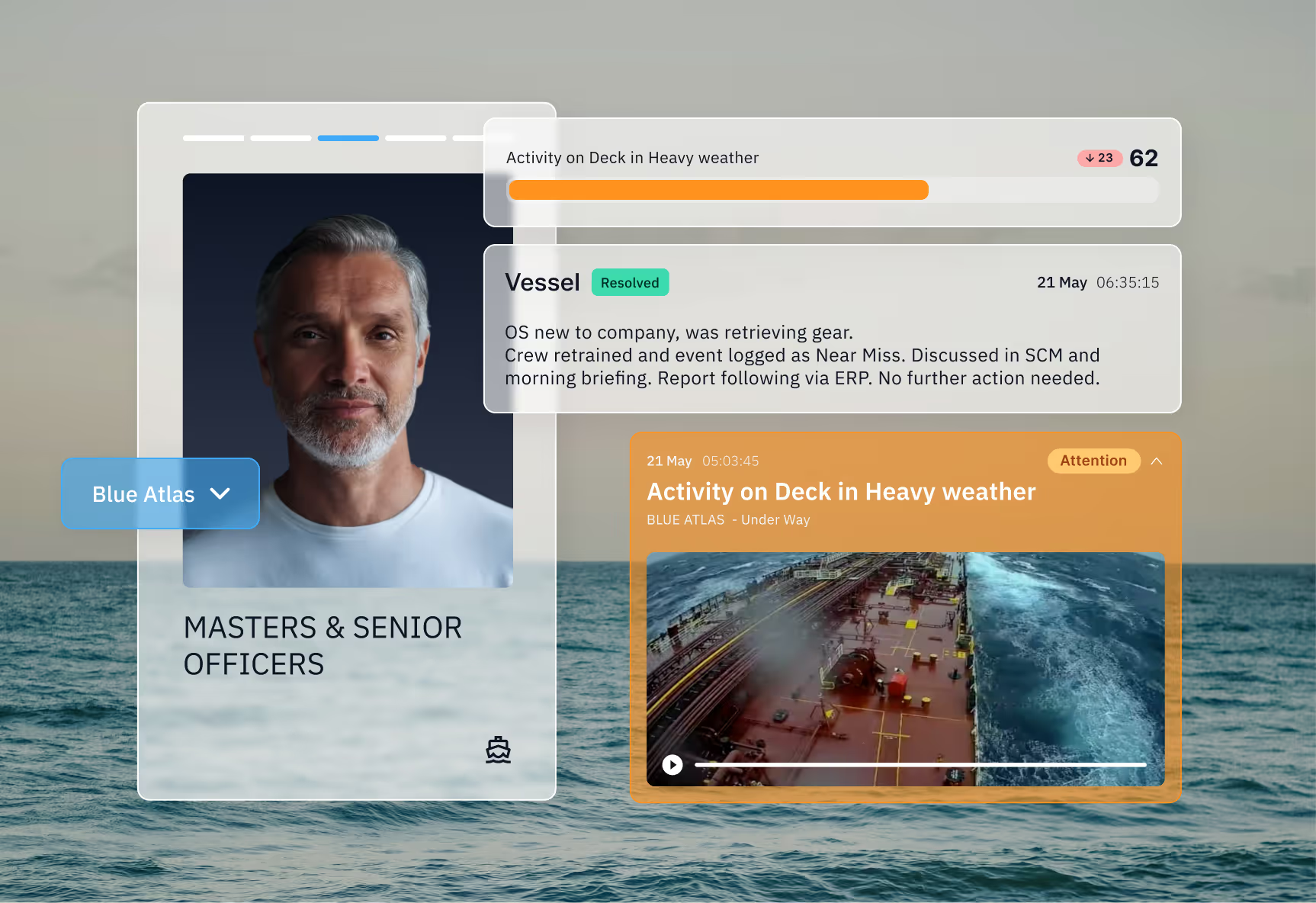
- Bridge practices during pilotage and restricted waters
- Navigation behavior in heavy traffic or congested areas
- Execution during complex or high-consequence transits
- Follow-up grounded in observed conditions, not assumptions
Operational Context That Drives Action Across the Fleet
Insights from this module are consolidated with signals from every vessel into a single dashboard, providing a consistent view of how operations are being carried out across individual vessels and the fleet as a whole.
This shared operational context helps teams identify issues earlier, set priorities with confidence, and act consistently from ship to shore.
Who This Is For

Operate the fleet with one clear, consistent view of risk.
Clear feedback on how navigation procedures are actually being carried out, supporting safer execution and stronger bridge teamwork.
Maintain safer operations with better situational awareness.
A practical view of bridge discipline and watchkeeping standards, helping maintain consistency and accountability onboard.
Move from reactive reporting to proactive safety.
Early visibility into navigational execution that allows intervention before incidents occur, not after reports are written.

FAQ
It continuously analyzes bridge activity during normal operations, including watchkeeping presence, attention levels, use of equipment, and adherence to navigation procedures.
It surfaces early indicators such as unattended bridges, distraction during critical operations, delayed response to changing conditions, and deviations from standard watchkeeping practices.
Fleet teams use it to identify vessels where navigation standards are drifting, reinforce best practices, and intervene earlier before exposure develops into incidents.