How Stealth Maritime Strengthens TMSA Assurance Fleetwide
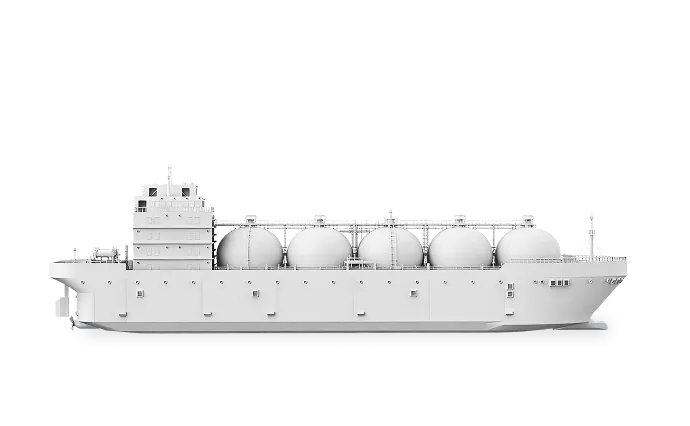
Stealth Maritime manages a fleet of tankers and gas carriers, and has done so for almost 30 years. It is one of the largest shipping groups in Greece, managing vessels for three NASDAQ-listed companies, with a fleet of over 50 vessels and a strong newbuilding program. The company serves a demanding set of stakeholders, including listed owners, oil majors, charterers, insurers, and the seafarers who run the ships.
THE CHALLENGE
Seeing daily safety behavior across a large fleet
Stealth had strong procedures, audits, and vessel visits in place. These processes provided important oversight, while still leaving gaps in daily operational visibility. Superintendent visits two or three times a year were valuable, yet they could not capture how safety looked every day, and crews naturally adjust their behavior when shore staff is aboard.
Stealth wanted a continuous, objective view of safety behavior across its vessels. The goal was to identify unsafe practices earlier, support crews directly, and help prevent near misses from becoming incidents, accidents, or fatalities.
THE SOLUTION
Turning onboard visual data into safety intelligence
Stealth first began looking at camera systems to support steering-gear regulation. ShipIn showed the company that FleetVision could meet that requirement while providing Stealth with a broader safety and operational platform.
“We were astounded. The system was far more than what we were looking for, and the regulation we needed to meet was a small subset of what FleetVision could do.” Antonis Despotakis, Sustainability and Special Projects Manager, Stealth Maritime
FleetVision uses AI to turn onboard visual data into structured safety insight. It identifies behaviors, trends, and compliance gaps across onboard areas of interest. This provides Stealth with a consistent way to assess safety performance across vessels, vessel types, and operating profiles.
For Stealth’s technology team, the value was clear. FleetVision extracts the events that matter from a large volume of visual data and helps teams focus on what needs attention.
Crew trust came first
Stealth treated crew adoption as central to the rollout. Before the pilot, leadership introduced FleetVision at an officers conference in Manila and asked for direct feedback. More than 85% said they would welcome it and use it to improve. Through installation and onboarding, the message stayed consistent: FleetVision is a tool for the crew, not a blame system, helping officers and crew improve safety on their own vessels.
"When the crew see it as something for them, to improve their own safety, any sense of a big brother system fades. That is exactly what happened." Antonis Despotakis, Sustainability and Special Projects Manager, Stealth Maritime
RESULTS
Crews turned visibility into improvement
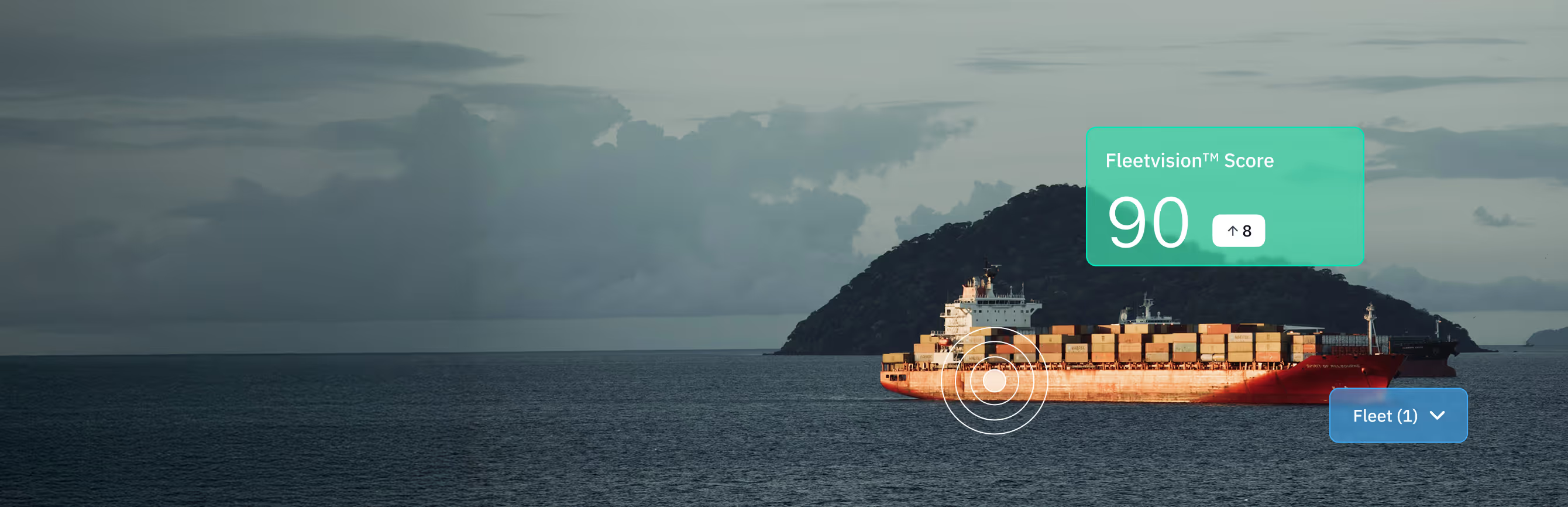
With the crews engaged, change came quickly. Within months the pilot vessels were improving on their own, without the office having to push them, and the progress showed up in the score that measures how safely and consistently a fleet operates: Stealth's FleetVision Score rose from 68 to 96 over the first year. PPE compliance, wearing helmets, boiler suits, and life jackets on deck, was the first area to improve and the fastest, and among the most important for preventing accidents.
For Stealth's technology team, what mattered was not the higher score but the shift behind it: from finding the cause after an incident to preventing it. As CIO Costas Giannoulis puts it: "It is easy to record an incident and find the root cause afterward. But that is after the incident. The point is for it not to happen at all. FleetVision is proactive.
"Stealth's leadership frames the same result as a matter of culture. "The first to be informed of the results is the ship, and then the office," said Diamantis Andriotis, Chief Executive Officer. "That idea of self-improvement on board is the best way to build a safety culture."
Best practice from every oil major
What began as an internal safety effort soon changed how Stealth proves its performance. In a TMSA audit, a company usually presents procedures and reports. With FleetVision, Stealth can present a transparent, continuous stream of operational evidence from the ship, which gives an oil major a far more representative picture. The response has been consistently positive.
"We have received best practices from every oil major we have had a TMSA with in the last year. After an audit you receive observations where there are gaps, and best practices for what is above the industry standard." Antonis Despotakis, Sustainability and Special Projects Manager
That confidence extends to commercial relationships. Charterers report feeling more assured of the fleet’s safety compliance, and more willing to expand their business with a manager they see investing in new technology and pursuing excellence.
From a pilot to the whole fleet
The decision to expand from 12 vessels to fleetwide, in two stages, rested on three things: a strong crew response, impressed oil majors and insurers, and the operational load ShipIn's team carried through installation, commissioning, onboarding, and daily support. The platform also adapts to how Stealth works.
“Our goal is to keep improving the safety culture on board, to keep a near miss from becoming an incident, an accident, or a fatality,” said Diamantis Andriotis, Chief Executive Officer of Stealth Maritime. “What we value most is that the first to be informed is the ship, and then the office. FleetVision moves the focus of safety to where it belongs, on board, so the crew go home safe.”